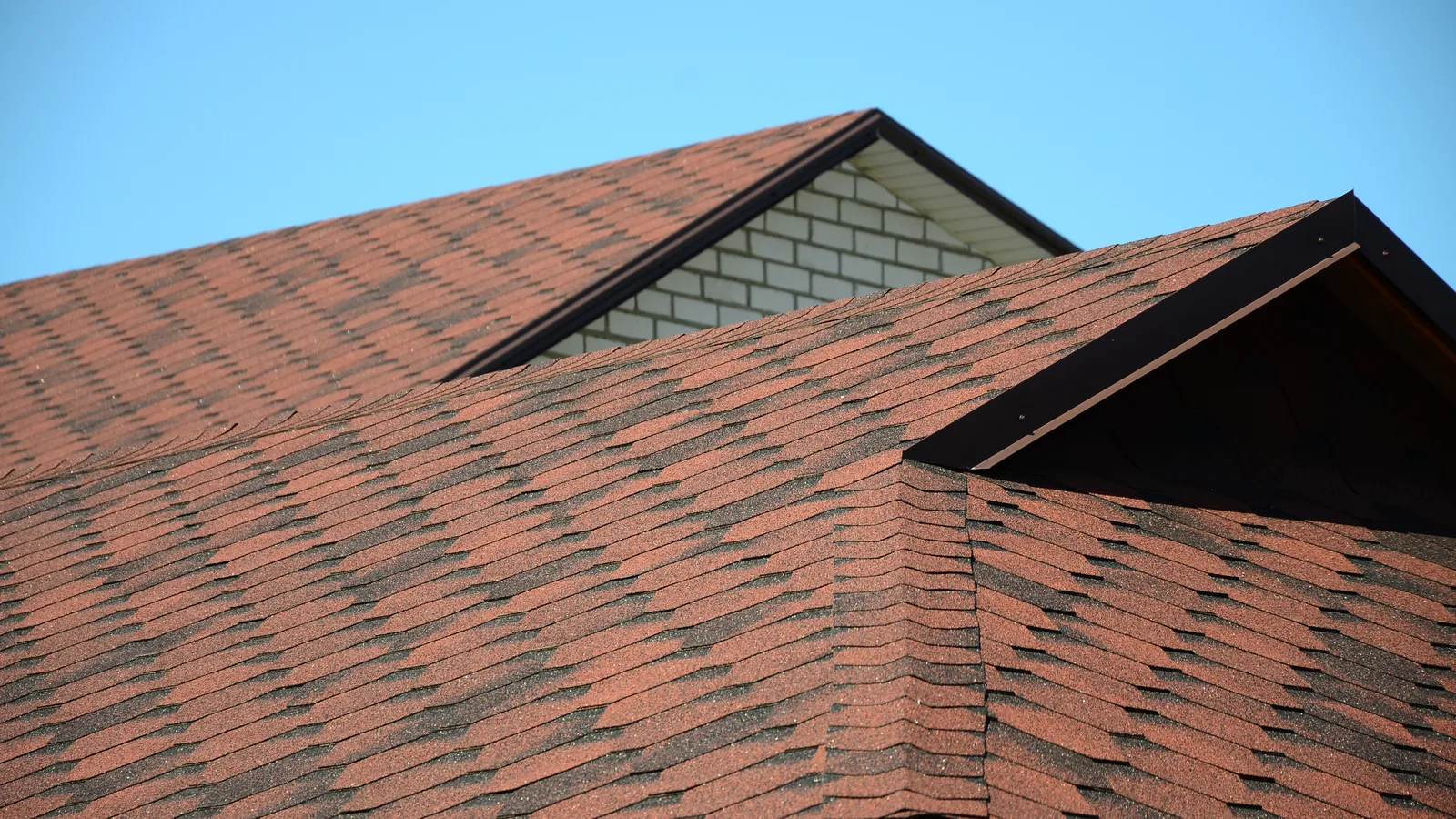
Roof Replacement in Castle Rock, CO, Done to Town Code
A roof replacement in Castle Rock is not the same job it is one county over. The Town of Castle Rock is a home-rule municipality that runs its own Building Division, adopted the 2024 International Residential Code, amended its snow-load tables for elevation, requires a mid-roof inspection during installation, and now applies the 2025 Colorado Wildfire Resiliency Code to re-roofs. A replacement scoped without those rules in mind gets caught at inspection, and the homeowner pays for it in delays and rework. This page explains how we run a Castle Rock replacement from first inspection to final sign-off, and what the Town will expect of any contractor you hire, including us.
Start with the paperwork, because the Town does. A building permit is mandatory before a roof replacement, and the permit with its inspection card must be physically posted at the job site. Permits are issued through the Town's eTRAKiT portal, which runs around the clock. Two more rules shape every legitimate quote:
- 100 percent tear-off. Castle Rock prohibits roof-overs. Everything comes off down to the deck, including the existing underlayment. If a bid is dramatically cheaper than the others, check whether it quietly assumes an overlay. In this town that is not a corner cut, it is a code violation.
- Registered, licensed contractors only. The Town requires contractor registration, a license from an ICC-equivalent jurisdiction and liability insurance before a permit is issued, and states plainly that it is unlawful to have work done by unregistered and unlicensed contractors.
Homeowner tip: ask any bidder two questions. Who pulls the permit, and when is the mid-roof inspection scheduled? A crew that hesitates on either has not worked Castle Rock recently.
Castle Rock inspects twice: once during installation, once at completion. The mid-roof inspection happens after tear-off and dry-in but before the roof is closed up, so the inspector can verify deck condition, underlayment, ice barrier and flashing details. Miss it, and the Town's remedy is expensive: uncover 10 percent of the roof sections on each side for reinspection, with a possible $85 reinspection fee, or submit an Alternative Method Request backed by a stamped engineer's or architect's letter that takes about two business days to review and is not guaranteed to be accepted. The permit itself expires if no inspection is logged within 180 days.
We build the mid-roof visit into the production schedule before materials are ordered. On most single-family homes the sequence runs: tear-off and deck check on day one, mid-roof inspection, then shingle installation and the final inspection. Weather windows on the Palmer Divide can shuffle days, but the inspection order never changes.
| Code item | What Castle Rock requires |
|---|---|
| Adopted code | 2024 IRC with Town amendments (adopted alongside the 2024 I-Code family) |
| Tear-off | 100 percent removal to the deck, old underlayment included; overlays prohibited |
| Ground snow load | 30 psf below 6,000 ft; 35 psf at 6,000 to 6,499 ft; 40 psf at 6,500 to 7,000 ft (Town amendment) |
| Ice barrier & drip edge | Ice barrier per the IRC's ice-damming provisions; drip edge on eaves and rakes (industry code summaries; we verify current amendment text per job) |
| Wind design | Industry code summaries cite 115 mph, Exposure B under the prior cycle; we confirm against current Town amendments when the permit is pulled |
| Wildfire code | 2025 Colorado Wildfire Resiliency Code applies to re-roofs from June 30, 2026, by parcel fire-intensity class |
| Inspections | Mid-roof during installation plus final; permit expires after 180 days without an inspection |
Most Castle Rock homes wear architectural asphalt shingle, and for good reason: the town's housing stock is dominated by production-built homes from the 1990s onward in The Meadows, Founders Village, Crystal Valley Ranch and similar master-planned neighborhoods, where HOAs commonly review roof color and material. Within asphalt, the decision that matters most here is impact rating. NOAA has logged a dozen hail entries of 1.00 inch or larger for Castle Rock since 2016, with stones to 2.50 inches on June 8, 2019, and storm reports put the June 8, 2026 corridor through Castle Rock and The Pinery. That history is why we quote UL 2218 Class 4 impact-resistant shingles beside standard shingles on every replacement, along with the insurance-discount math.
The second decision is fire rating. Depending on your parcel's classification under the wildfire code, a Class A fire-rated assembly may be required rather than optional. We check the classification before writing the scope so the material list is legal on the first pass.
Denver-metro cost guides put a typical architectural asphalt replacement at $14,000 to $18,000 on a roughly 2,000 square foot home, with the full metro range around $10,000 to $22,000. Castle Rock jobs land inside that range, moved by roof size and pitch, deck repairs uncovered at tear-off, shingle class, and code items like ice barrier coverage and wildfire-code assemblies. If hail is involved, your insurance may carry most of the cost minus your wind-hail deductible, which for most Colorado carriers now runs either $2,500 to $10,000 flat or 1 to 5 percent of dwelling coverage. The full breakdown lives in our Castle Rock roofing cost guide.
- Free inspection and scope. Documented roof condition, code items and a written scope, including the Class 4 comparison.
- Permit through eTRAKiT. Filed before work is scheduled; inspection card posted on site.
- Tear-off and deck documentation. Photos of the open deck; per-sheet pricing on any decking that needs replacement, agreed before it is installed.
- Mid-roof inspection. Scheduled by us, passed before the roof closes.
- Installation and final. Manufacturer-spec fastening for the wind design, ridge and intake ventilation checked, site magnet-swept, final inspection passed and the permit closed.
Every step lands in writing. If you are comparing bids, put ours next to any other and check them line by line; that is what the written scope is for.
Two different warranties cover a new roof, and conflating them is how homeowners get burned. The manufacturer's material warranty covers the shingles themselves, typically limited-lifetime on architectural lines, and it stays valid only when the roofing contractor installs to spec: correct fastening, required ventilation, listed underlayment. That is one more reason the ventilation math in our scopes is not decoration. The workmanship warranty covers the installation and comes from the contractor, in writing, with its term stated in the scope; a verbal "we stand behind our work" is worth the paper it is not printed on. One Castle Rock-specific caution: hail is generally excluded from both. Storm damage is insurance territory, not warranty territory, which is exactly why the Class 4 decision and your wind-hail deductible matter more here than any warranty brochure.
Castle Rock roofs get replaced year-round, but the calendar has texture. Late spring through early fall offers the widest weather windows, and it is also hail season, which is why post-storm months stack schedules across the whole I-25 corridor. Shingle sealant strips want warm days to bond, so winter installs get hand-sealing attention at eaves and rakes. If your roof is failing rather than storm-damaged, the quiet shoulder months often mean faster starts. And if a hail claim is paying for the roof, your policy's claim window, not the season, sets the real deadline; we schedule around that first.
Duration expectations for a typical Castle Rock single-family home: one to three days of installation once material is on site, with the mid-roof inspection folded into the sequence. Large or complex roofs in Crystal Valley Ranch or custom homes near Ridgeline Open Space can run longer, and we say so in the scope rather than surprising you on day two.
Two details separate a roof that lasts at 6,224 feet from one that does not. First, balanced ventilation: intake at the eaves matched to exhaust at the ridge keeps attic temperatures in range, which fights both summer shingle cooking and winter ice damming. We calculate net free vent area on every replacement instead of reusing whatever the last roof had. Second, ice barrier placed per the IRC's ice-damming provisions at eaves, valleys and penetrations, lapped correctly with the drip edge. Neither line item is glamorous. Both are the difference between passing the mid-roof inspection smoothly and explaining leaks in February.
A full tear-off is loud, heavy and one of the messier things that can happen to a yard, so we plan the ground game before the first shingle moves. The dumpster location gets agreed in advance, with plywood under the rollers where it meets the driveway. Landscaping, AC condensers and anything breakable near the drip line get tarped or boarded. Vehicles come out of the garage before we start, because nail-studded debris on the driveway is exactly where you do not want to discover a tire. Interior note most homeowners hear too late: tear-off shakes the structure, so take fragile items off shelves and expect attic dust. At the end of every day, not just the last one, the crew runs magnetic sweepers across the lawn, beds and driveway; on cut-up lots we run them twice. If you have a dog that patrols the yard, keep it inside until the final sweep is done.
- How long does a replacement take? One to three install days on most single-family homes once material lands, plus the mid-roof inspection folded into the sequence. Weather slides days; the order of operations never changes.
- Can we stay home during the work? Yes, most families do. Expect real noise from roughly first light onward, and plan calls and naps around it.
- What about satellite dishes and solar? Dishes come off and get remounted; realignment is the provider's visit. Solar arrays need detach-and-reset coordination with your installer, and it belongs in the scope up front, not discovered on tear-off day.
- Should gutters be done at the same time? If they are due, yes; the crew is already staged, drip-edge integration is cleaner, and hail claims that pay for the roof often include dented gutters anyway.
- Does my HOA need to approve first? In The Meadows, Crystal Valley Ranch and most master-planned neighborhoods, roof color and material review is common. We match the approval paperwork to the scope so it happens once.