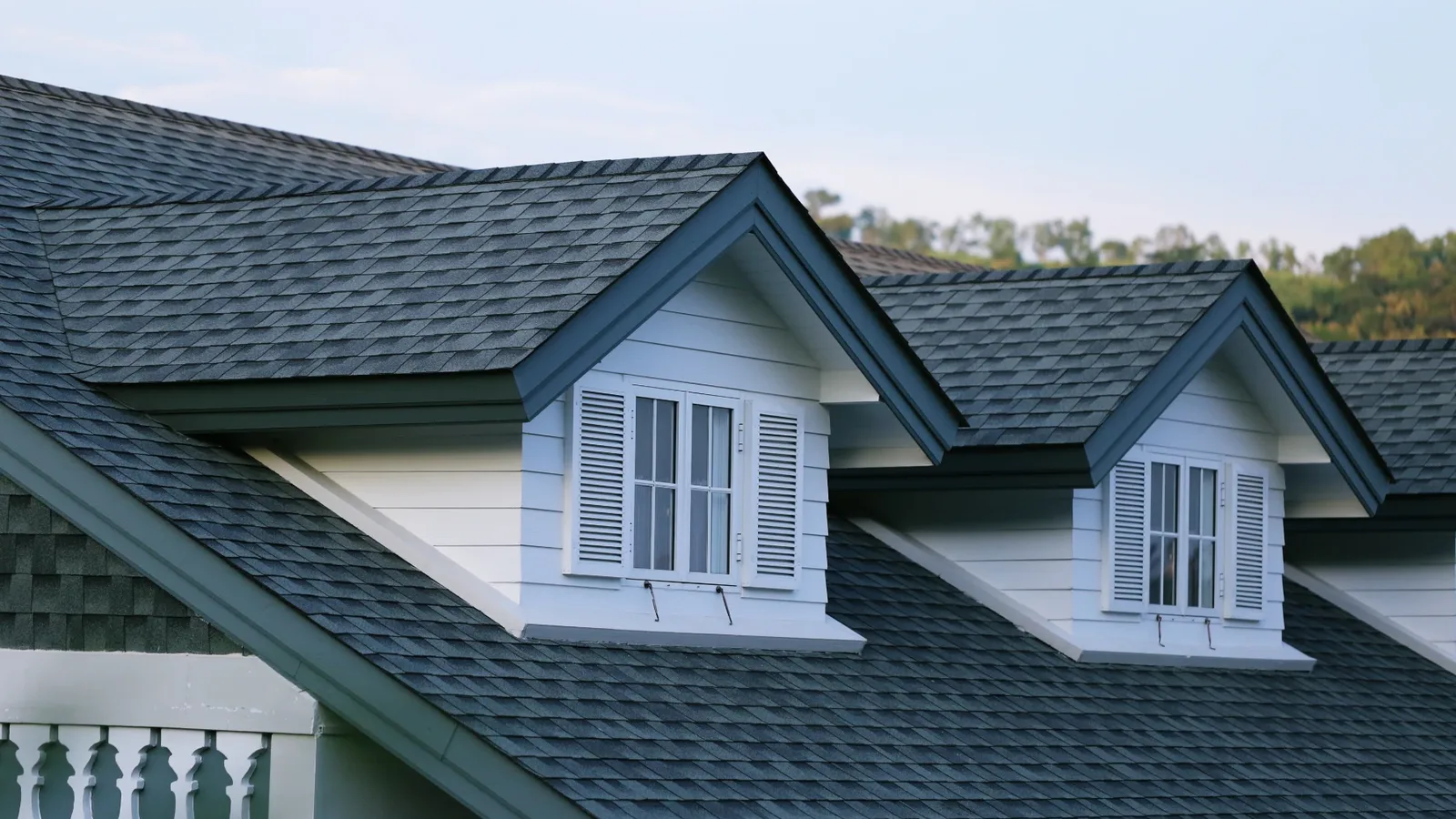
Class A Fire-Rated Roofing Under Castle Rock's Wildfire Code
Castle Rock did something in this code cycle that most Front Range towns have not: it adopted the 2025 Colorado Wildfire Resiliency Code, and it applies to re-roofs starting June 30, 2026. Every parcel in town is classified Low, Moderate or High fire intensity, and the classification carries roof-covering and assembly requirements. In practical terms, the days of choosing a Castle Rock roof covering without checking a fire map are over. This page explains what changed, what a Class A assembly is, and how we scope re-roofs so they clear the new review the first time.
- It triggers on re-roofs, not just new builds. From June 30, 2026, replacing your roof can bring the wildfire-code requirements to your existing home. That makes it a permit-review item alongside Castle Rock's tear-off and mid-roof inspection rules.
- Your parcel has a classification. Low, Moderate or High fire intensity, mapped by the Town. Requirements scale with the class; homes backing open space and the wildland edge carry the most constraint.
- The roof is the first line. Wildfire home-loss research consistently points at embers, not flame fronts, and roofs are where embers land. Fire-rated coverings, sealed edges and ember-resistant venting are the core package.
We check the classification before quoting. Two identical Castle Rock houses can now have different legal roof options. The parcel check takes minutes and prevents a failed review after materials are ordered.
Class A is the highest rating in the ASTM E108 / UL 790 fire test series, covering flame spread, burn-through resistance and ember exposure. Ratings attach to the assembly, covering plus underlayment and deck, not just the shingle in the wrapper:
- Asphalt shingles: most major architectural lines achieve Class A as part of a listed assembly, and many Class 4 impact-resistant lines are Class A as well, letting Castle Rock homeowners solve hail and fire with one roof.
- Metal roofing: non-combustible covering, typically Class A over the right underlayment; also sheds Palmer Divide snow well.
- Concrete and clay tile: Class A coverings; on tile we also verify the Town's snow-load amendment for your elevation band, 30 to 40 psf, and the structure under it.
- What does not qualify: untreated wood shakes. On High-intensity parcels the conversation is not about whether to move off shakes, only what to move to.
The covering is the headline, but ember research says the edges decide outcomes. Embers arriving minutes to hours ahead of any flame front lodge where surfaces meet, and a Class A field with unsealed edges is a strong door left ajar. When we scope a fire-conscious re-roof we include: bird-stopped and mortar-sealed tile edges, ember-resistant vent options at ridge and intake, metal drip edge on eaves and rakes (already standard practice here), debris-shedding valley details, and gutter-interface choices that do not hold pine litter against the fascia. None of these are exotic; they are line items that cost little during a re-roof and a lot to retrofit later.
Castle Rock's western and southern edges run into gambel-oak and ponderosa country, the town sits at roughly 6,224 feet with cured grass much of the year, and the Town formally adopted the wildfire code with parcel mapping, which tells you how its plan reviewers will treat re-roof permits. Add the hail record, a dozen NOAA entries of 1.00 inch or larger since 2016, and the smart Castle Rock roof brief writes itself: Class A for fire, Class 4 for hail, scoped to the Town's snow-load bands and inspected twice. That combination is exactly what we quote.
Less than most homeowners fear, if it is scoped at replacement time. Class A architectural asphalt assemblies price close to their standard equivalents because the rating lives mostly in the listed assembly rather than exotic materials. The ember accessories, resistant vents, sealed edges, metal drip edge, are modest line items while the roof is open. The expensive path is the retrofit: a roof installed in ignorance of the parcel class, then corrected after a failed review or, worse, re-done early because a sale or insurance renewal forced the issue. Our scopes price the compliant assembly and the standard one side by side whenever the class allows a choice, so the delta is a number you see rather than a fear you insure against.
The buying logic that fits this town: pick the shingle line that carries both the UL 2218 Class 4 impact rating and Class A fire rating in its listed assembly, then add the ember details while the crew is already on the roof. One permit, one mid-roof inspection, one material order, and the two risks that actually define Castle Rock roofing, Palmer Divide hail and interface fire, are both answered for the life of the roof. That combination is our default recommendation on replacements, and we show the math for it in every scope.
Priority goes to the edges. Homes backing Ridgeline Open Space and the western Meadows filings, the gambel-oak draws south of Crystal Valley Ranch, acreage properties toward Sedalia and Wolfensberger Road, and anything with ponderosa crowns overhanging the roofline. If that is your house and a re-roof sits anywhere in your five-year plan, learn your classification now, while it is a planning fact instead of a permit surprise. Homes in the town core are more likely to land in lower classes with more material freedom, but the check costs nothing during an inspection either way.
The check itself is unglamorous, which is exactly why it should happen before a single material is priced. During the free inspection we pull your parcel's fire-intensity classification from the Town's mapping, note it in the report, and let it drive the material list: on Low-class parcels you keep the widest choice and the classification is simply recorded for the permit file; on Moderate and High parcels the scope starts from qualifying Class A assemblies and adds the ember details as line items. If you want to see it yourself rather than take our word, the Building Division at 720-733-3527 can point you to the mapping. Either way the classification lands in writing in the scope, because a permit reviewer will check it against the same map, and the worst place to learn your class is in a correction letter after the material is ordered.
The downtown grid around Wilcox and Perry and the older streets under The Rock carry the housing stock where fire-rating questions get interesting. A Class A rating attaches to a listed assembly, covering plus underlayment over a defined deck, and older homes sometimes carry decks that predate any listing: skip sheathing under a long-gone wood roof, plank decking with wide gaps, or layers of history that only tear-off reveals. None of that blocks a compliant roof; it means the scope may include re-decking to bring the assembly into its listing, priced per sheet like any deck repair. Older homes also predate modern attic ventilation, so the ember-resistant vent conversation often doubles as the first real ventilation correction the house has had. These are exactly the projects where the mid-roof inspection earns its keep: the inspector sees the deck the listing depends on, open, before the covering closes over it. If you own one of these houses, start the conversation a season before the roof forces it; surprises priced ahead of time are just line items.
Ask for the fire-and-hail scope with a free inspection, and read the background in our wildfire code guide.